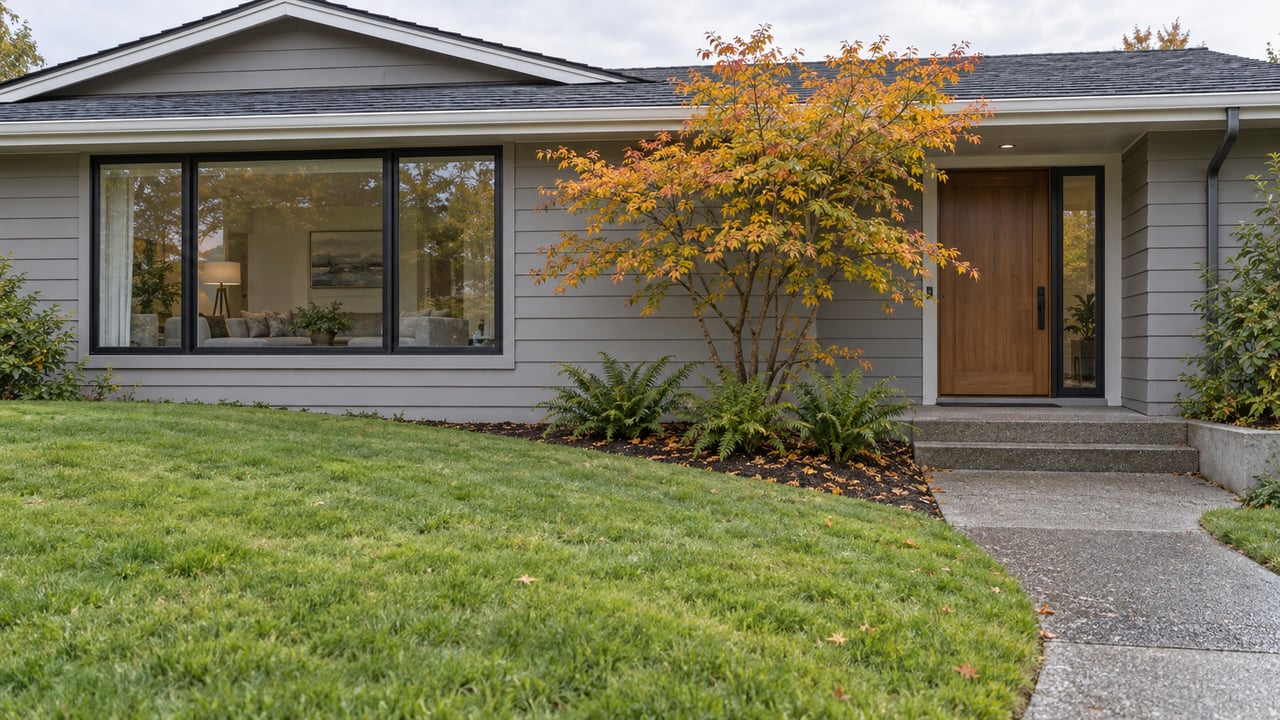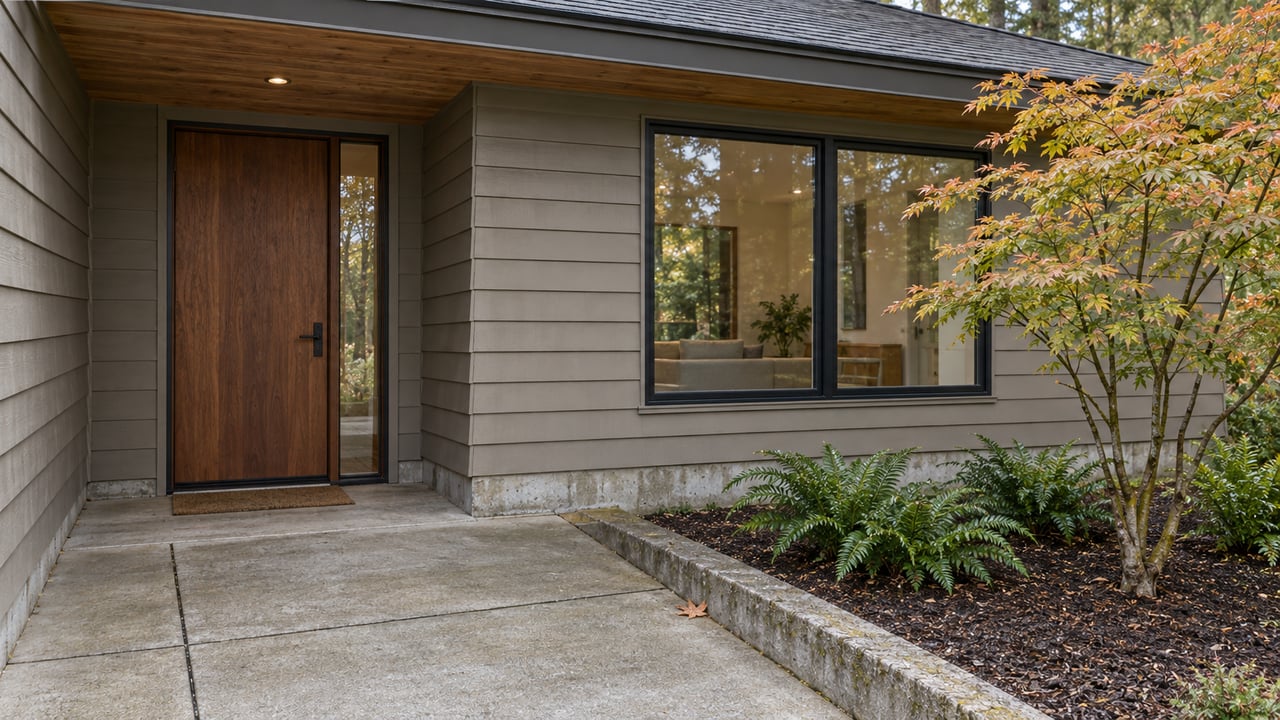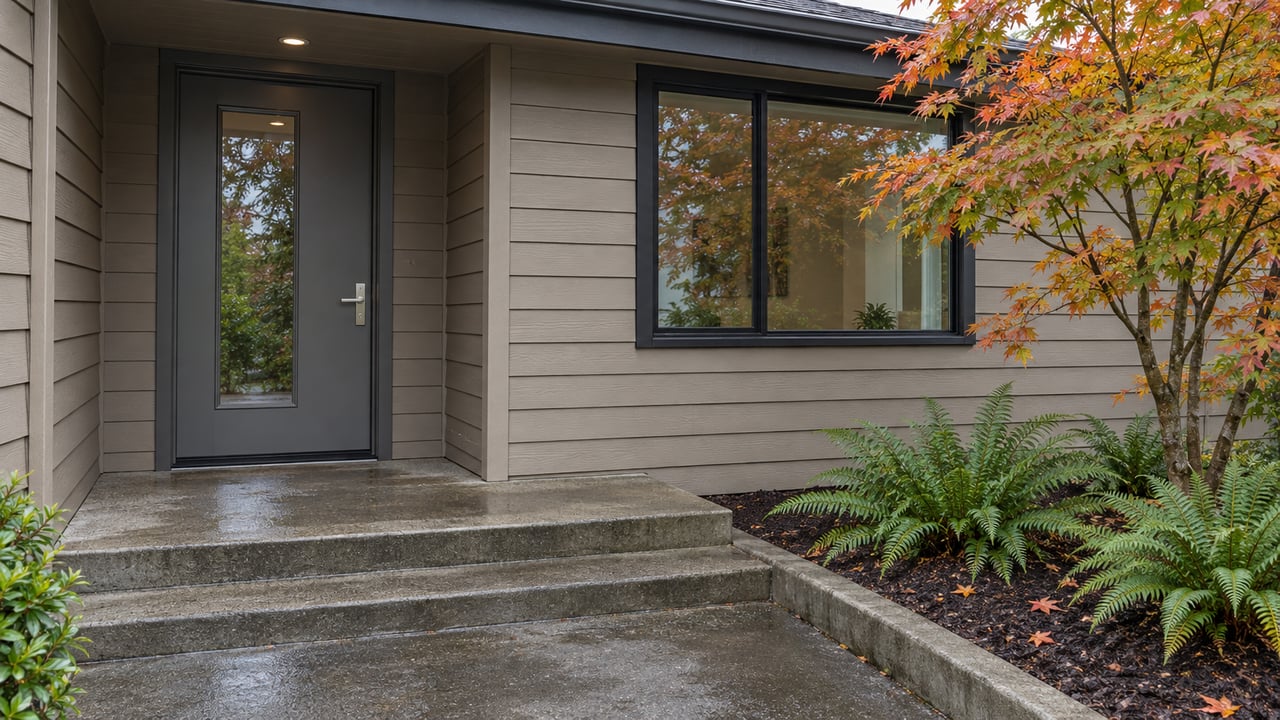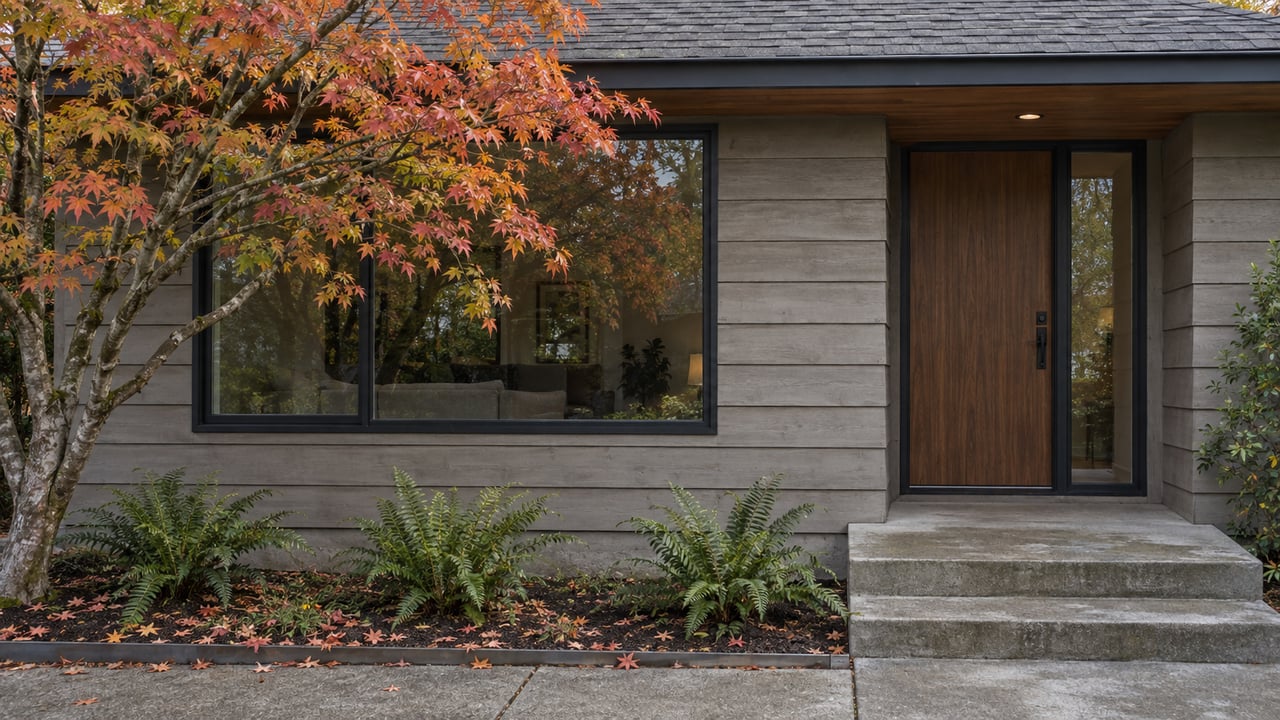
Thinking about listing your Lynnwood home or condo on Airbnb or VRBO? You are not alone. With the Lynnwood Link light rail now connecting the city to the greater Seattle metro, interest in short-term rentals is rising. You want to know what is allowed, what it costs, and what kind of returns are realistic before you buy or list. This guide walks you through the rules, taxes, zoning checks, market numbers, and a simple due-diligence checklist so you can move forward with confidence. Let’s dive in.
Washington rules at a glance
Short-term rentals in Washington follow a statewide law called RCW 64.37. It defines what counts as a short-term rental and sets key operator duties, including safety postings, a reachable local contact, and tax and insurance requirements. Review the full statute to understand the baseline that applies anywhere in the state. You can read the law here: Washington RCW 64.37 short-term rentals.
Under RCW 64.37.030, you must post required safety information, maintain working smoke and carbon monoxide alarms, state occupancy limits, and provide a local contact who can respond during guest stays. The law also requires at least $1,000,000 in primary liability insurance, either through your own policy or a platform that provides equal or better primary coverage. For consumer-safety violations, the statute outlines a warning-first process, with civil infractions possible if issues are not corrected. See the safety and enforcement section here: RCW 64.37.030 safety and enforcement.
Lynnwood city requirements
As of the latest review of city materials, Lynnwood has discussed rental licensing and a rental registry, but there is no separate, published short-term rental permit program in the municipal code. That means hosts should follow state law plus ordinary city rules on building, noise, parking, and nuisance enforcement, and verify address-specific details with Planning and Zoning. You can see the municipal code reference for business licensing here: Lynnwood Municipal Code and a prior council agenda discussing licensing here: Lynnwood City Council agenda.
In practice, plan to confirm with city staff whether any business license or rental registration applies to your specific address and use. Also confirm on-site parking and any local noise expectations to avoid neighborhood friction.
Taxes and registration
You must register with the Washington Department of Revenue for a UBI if you operate a short-term rental, then collect and remit applicable state and local lodging taxes, unless your platform collects them for you. The Washington Department of Revenue’s quarterly lodging flyer lists the combined lodging tax for Lynnwood at 12.5 percent. Use this as a planning input, then verify for your exact parcel and unit type: WA DOR lodging tax flyer.
Tip: Confirm in writing whether your platform will collect and remit taxes on your behalf, and keep clean records for audits.
Zoning, ADUs, HOAs
Zoning. Lynnwood does not currently list a dedicated “vacation rental” use in its land-use tables in the municipal code. Because cities sometimes treat lodging uses differently than residential uses, a prudent step is to ask the City of Lynnwood planning office for a parcel-specific read before you buy or convert a property for nightly stays. Staff can also flag any pending code updates.
ADUs. Accessory dwelling units follow separate rules. If you plan to use an ADU as a short-term rental, confirm it was permitted correctly and that it meets life-safety and parking standards. Review an example of Lynnwood ADU materials here: Lynnwood ADU decision example. Always verify any owner-occupancy or use conditions tied to the ADU’s approval.
HOAs and condos. Many associations limit or prohibit stays under 30 days, cap the number of rentable units, or require guest registration and parking rules. Before you rely on short-term income, get the recorded CC&Rs, bylaws, and any current rental policy, then ask the association for a written statement on what is allowed, approval steps, and any fines or fees.
Market snapshot and ROI
Early market data helps you gut-check feasibility. Airbtics reports a Lynnwood median average daily rate (ADR) of about 109 dollars and a median occupancy of roughly 74 percent, which equals around 270 booked nights per year. These are citywide snapshots, so you should validate them with bedroom-level comps for your specific neighborhood and property type. See the city snapshot: Airbtics Lynnwood market data.
What drives demand. Proximity to the Lynnwood Link light-rail extension, Alderwood retail, business parks, healthcare facilities, and Paine Field employers can push weekday occupancy and rates. Properties near the new City Center station and major arterials often see stronger performance. For context on the rail opening, see this local coverage: Lynnwood Link light rail opening.
Management costs. If you plan to hire a professional manager, budget typical full-service fees around 10 to 20 percent of booking revenue, with some variation by services. Use a written quote when you model net yield: RedAwning market overview and fee context.
Typical nightly pricing bands. Use live comps to price your exact unit, but these example ranges can help you frame a plan:
- Small guest suite or studio: about 50 to 110 dollars per night
- 1-bedroom: about 80 to 140 dollars per night
- 2-bedroom entire home: about 110 to 220 dollars per night
- 3+ bedroom or premium listing: about 150 to 350+ dollars per night
Feasibility math example
As a starting point, combine ADR and occupancy for a quick check. With an ADR of 109 dollars and 74 percent occupancy, effective RevPAR is about 80.70 dollars. Multiply by 365 for a ballpark gross of about 29,440 dollars per year. This is a simple average that does not include cleaning fees, seasonal peaks, or channel mix, so always replace these inputs with comps that match your unit and location. Source: Airbtics Lynnwood market data.
Be sure to subtract realistic expenses: platform fees, cleaning per turnover, utilities, supplies, maintenance, HOA dues if any, management, insurance, a vacancy and repair reserve, and lodging taxes.
Due diligence checklist
Work through this list before you buy or list.
- Jurisdiction. Confirm whether the address is inside the City of Lynnwood or in unincorporated Snohomish County. County materials note the county does not define STRs in code and defers to state and city rules, while some cities in the county do have specific programs. Check which rules apply to your parcel: Snohomish County staff report.
- Zoning and use. Ask Lynnwood Planning for the parcel’s zoning and whether any conditions apply to lodging or vacation-rental style use. Document any guidance they give you.
- HOA/condo review. Get recorded CC&Rs, bylaws, and current rental policies. Ask management for a written statement on minimum lease lengths, parking, guest ID, and fines.
- Life safety. Confirm smoke and carbon monoxide alarms, egress, occupancy limits, and the required guest-facing postings under state law. See the specific safety rules here: RCW 64.37.030 safety and enforcement.
- Parking and neighborhood impact. Verify on-site spaces and any on-street rules. Plan guest messaging to prevent overflow parking or noise complaints.
- Taxes and business setup. Confirm any Lynnwood business license or registration that could apply, register with WA DOR, and set up sales and lodging tax collection or confirm platform remittance. Use the lodging flyer for a Lynnwood 12.5 percent estimate: WA DOR lodging tax flyer.
- Insurance. Get written confirmation that your policy or your platform provides at least 1,000,000 dollars of primary liability coverage as required under RCW 64.37.
Operations and management
At minimum, set up your property to meet the RCW safety checklist. That means posting the address, emergency contacts, a simple floor plan with exits, maximum occupancy, and a reachable local contact during guest stays. Double-check CO and smoke alarms. See the safety section here: RCW 64.37.030.
For taxes, register with WA DOR, confirm who remits sales and lodging taxes, and keep clear records. For insurance, secure a commercial STR endorsement or verify the platform’s primary coverage meets the 1,000,000 dollar minimum.
Consider hiring a professional manager if you do not live nearby, expect high turnover, or want dynamic pricing, channel distribution, and 24/7 guest support. Full-service fees often run 10 to 20 percent of booking revenue in this area, with extra charges possible for special services: RedAwning’s local overview.
Bottom line for Lynnwood hosts
Lynnwood can be a workable short-term or mid-term rental market if you respect the rules, run realistic numbers, and select the right address. Start with Washington’s statewide law, confirm city and HOA constraints, and model revenue with conservative comps and full expenses. Demand near light rail and major employers can help, but the best results come from careful due diligence and guest-ready operations.
If you want a second set of eyes on a potential purchase, an ADU conversion, or a pricing plan, reach out. With hands-on Airbnb operator experience and local market insight, Aimee Zhang can help you evaluate income potential, stay compliant, and launch smoothly.
FAQs
Do you need a City of Lynnwood short-term rental permit in 2026?
- The municipal code does not show a separate STR permit program at this time, so plan to follow state law plus ordinary city rules and verify any business license or registration with Lynnwood Planning and Zoning.
What taxes apply to a Lynnwood Airbnb booking?
- Washington sales and local lodging taxes apply unless your platform collects them; the WA DOR lodging flyer lists Lynnwood’s combined lodging tax at about 12.5 percent, but confirm for your exact parcel.
Are short-term rentals allowed in Lynnwood HOAs and condos?
- Many associations limit stays under 30 days or add rules like parking caps and guest registration; review recorded CC&Rs, bylaws, and a written statement from the HOA before you rely on STR income.
Can you use an ADU in Lynnwood as an STR?
- Possibly, but you must confirm the ADU’s permit conditions, life-safety standards, and parking; some ADUs carry owner-occupancy or use limits, so check city records and approvals first.
How are 30+ night stays treated in Washington?
- Stays of 30 consecutive nights or more are typically treated as residential rentals under landlord-tenant law rather than short-term lodging, and they are generally not subject to transient lodging taxes.
What nightly rates and occupancy are typical in Lynnwood?
- Citywide snapshots from Airbtics show a median ADR around 109 dollars and median occupancy near 74 percent; verify with bedroom-level comps for your specific property and location.