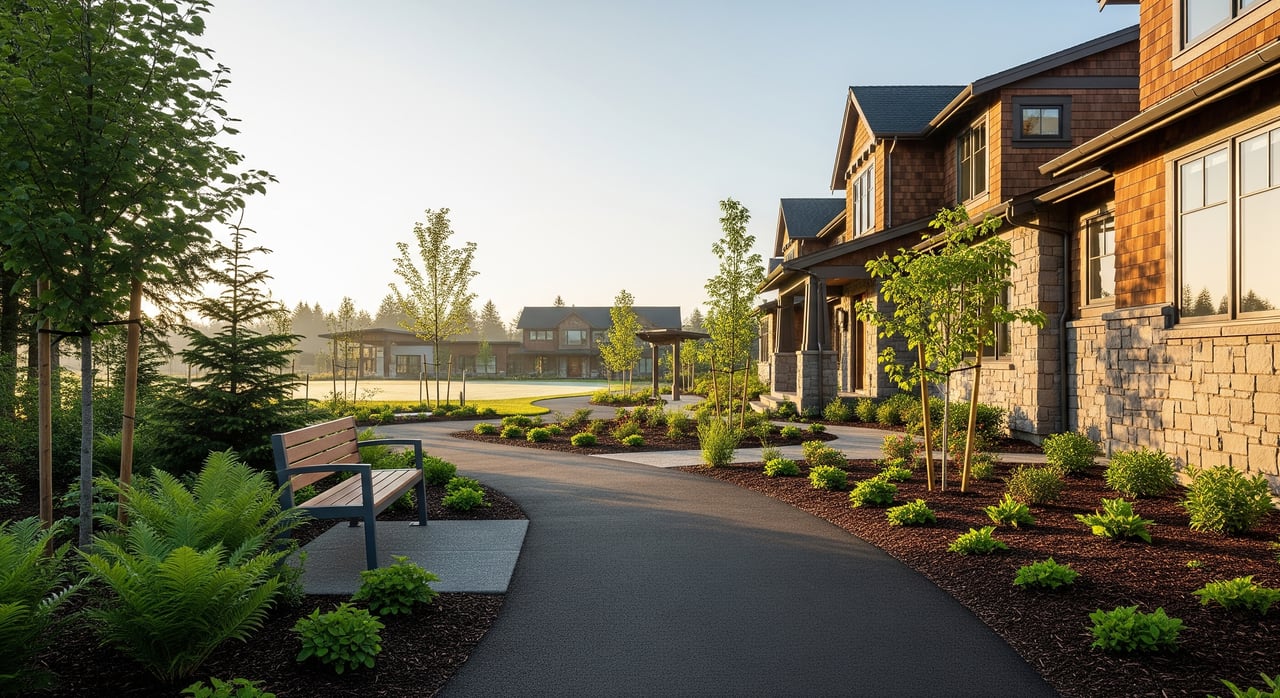
Thinking about a move to Mill Creek in 98012? You want strong day-to-day convenience, access to trails, and dependable school options without giving up proximity to Seattle, Bellevue, or Everett. This guide walks you through what living here feels like, how schools work, where people get outside, and how locals commute. You will get practical steps to verify the details that matter to your family. Let’s dive in.
Mill Creek at a glance
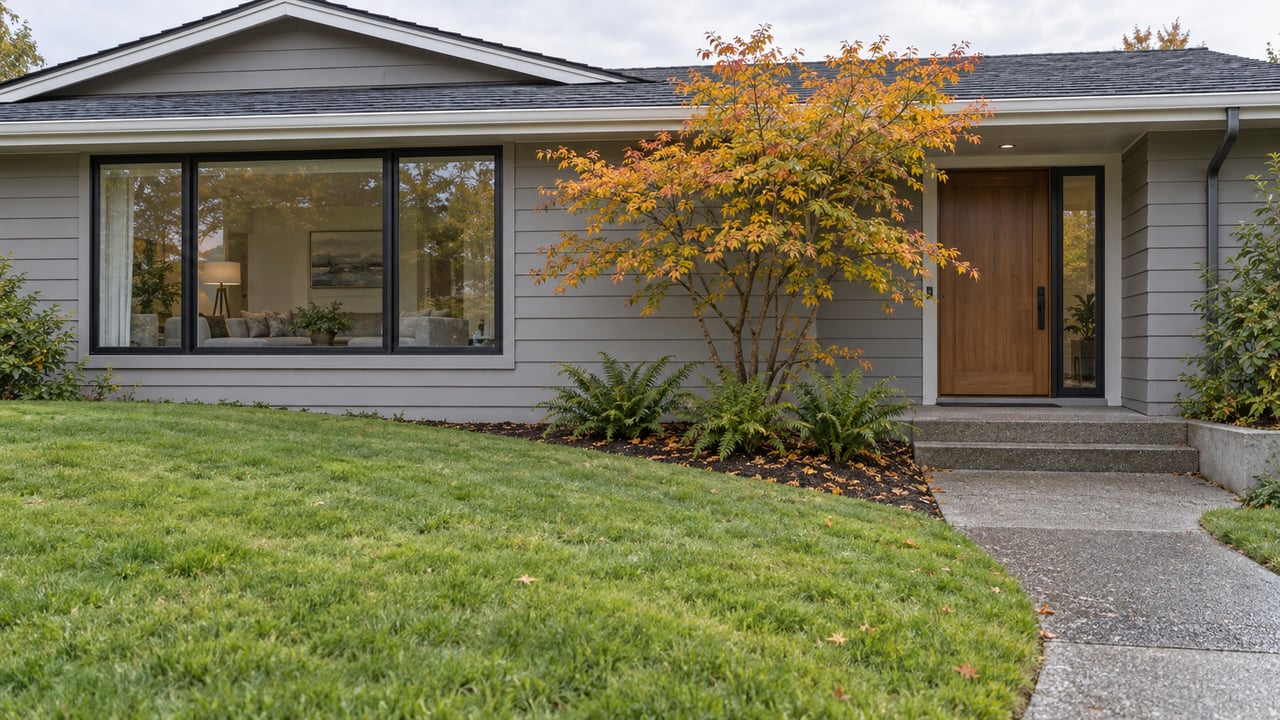
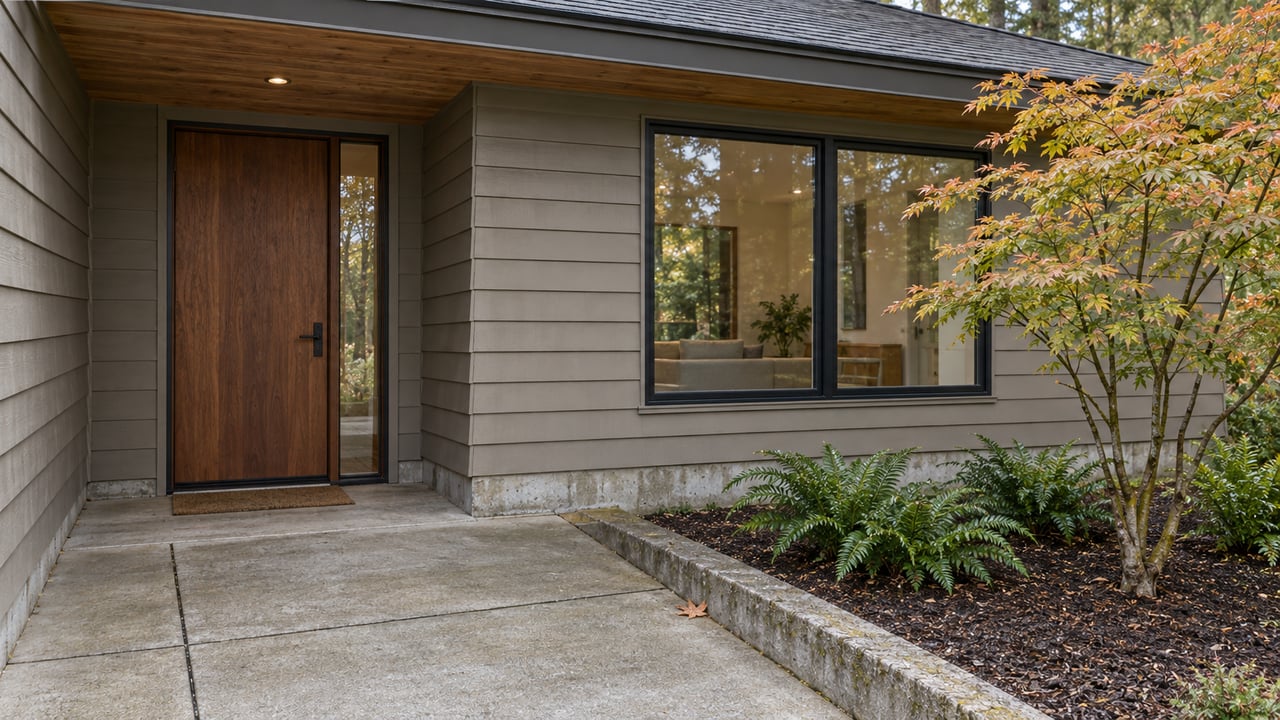
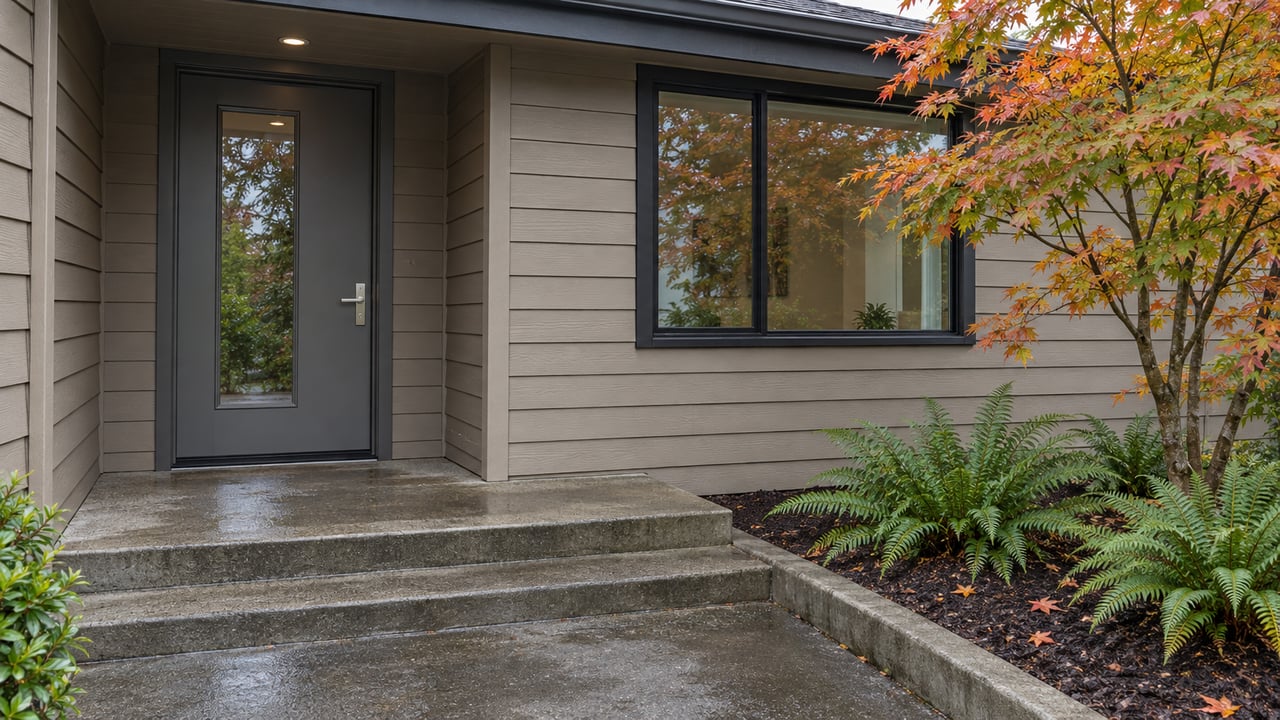
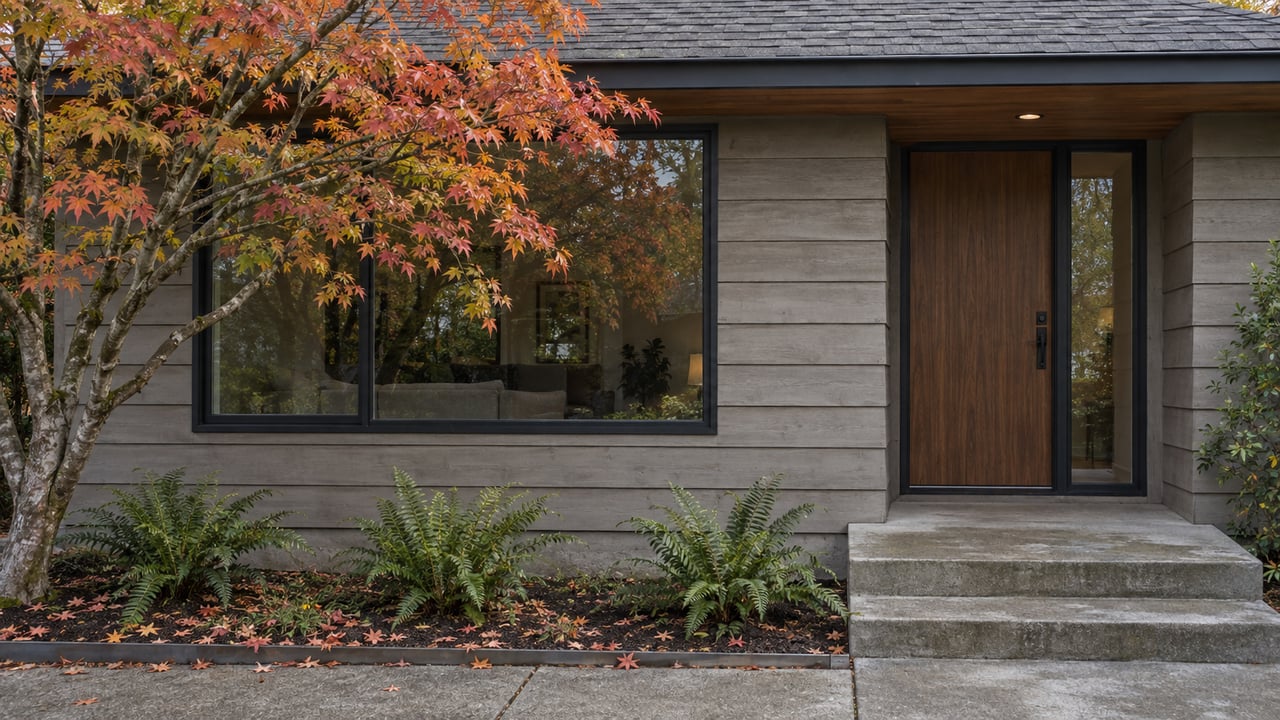
Mill Creek is a planned suburban city in Snohomish County with a walkable Town Center at its core. Neighborhoods curve around greenbelts, pocket parks, and a connected trail system that many residents use daily. Housing includes mostly single-family homes in planned subdivisions, plus townhomes and some multifamily near the Town Center. The community attracts families, commuting professionals, and downsizers who want low-maintenance living with quick access to services.
ZIP code 98012 covers most Mill Creek addresses within the city limits. The area sits inside the broader Seattle, Bellevue, and Everett metro region, which gives you larger job market access with a quieter, suburban home base. Overall walkability is best near the Town Center and nearby parks, while many residential streets are car focused. Trails and sidewalks help bridge those areas so you can mix daily errands with recreation.
Public schools overview
School assignment can vary within Mill Creek, so the exact school your child attends depends on your address. Local public schools are organized by district boundaries, and parts of the city may align with different schools. Families often look at official state report cards, district program offerings, and practical factors like commute-to-school and after-school options.
To understand performance, you can review Washington State school report cards maintained by the Office of Superintendent of Public Instruction. Many parents also read community perspectives from parent-review platforms, which use different methods than the state. Enrollment and capacity change over time, so it is smart to confirm whether a school is accepting new students.
How to verify your school assignment
- Use your property address to run a boundary lookup on the local district website. Double-check elementary, middle, and high school levels.
- Confirm details with the district office, especially if you are near a boundary or considering open enrollment.
- Review OSPI report cards for each potential school, then note the measures that matter to your family.
- If schools are a top priority, confirm assignment before making an offer on a home.
Programs and activities
Mill Creek residents typically find a range of academic and extracurricular activities nearby. Districts may offer STEM tracks, music and arts, language courses, and special education services. PTO and PTA groups, youth sports, and city recreation programs help with after-school options and weekend play. If you need before or after care, ask schools and the city recreation team about current providers and waitlists.
Parks and trails
Mill Creek is known for its network of parks, neighborhood pathways, and green space that weave through residential areas. Many trails are suitable for everyday walking, jogging, and dog walks, with segments that connect to wetlands and creeks for a nature feel. You will find playgrounds, picnic shelters, sports fields, and open lawns for casual games. Some areas include skate-friendly spaces and community gathering spots.
Trails often link back to the Town Center, which makes it easy to pair a coffee run with a morning stroll. Surfaces vary from paved to compact gravel, so bring the right shoes and check seasonal conditions after heavy rain. The city’s parks team maintains most facilities, and seasonal projects can affect access in short windows. If you want to map a weekly routine, look at the city park inventory and trail maps to plan a few reliable loops.
Everyday outdoor options
- Stroller-friendly walks on neighborhood paths and paved routes
- Short runs that link parks and natural corridors
- Bird watching and quiet breaks along wetlands and creeks
- Dog walks with waste stations and open lawn time
- Playground stops for younger kids near Town Center and pocket parks
- Weekend bike rides on low-traffic connectors and family-friendly loops
Trail tips and safety
Stay visible at dawn and dusk, and use marked crossings near busier roads. After rain, expect slick bridges and pooled water in low spots, especially near wetlands. Keep pets leashed where posted, and pack out trash to keep trails clean. For trail closures or maintenance, check recent city updates before heading out.
Town Center and daily amenities
Mill Creek Town Center serves as the community’s main street. You will find a mix of coffee shops, restaurants, fitness spots, professional services, and everyday essentials. Sidewalks, landscaping, and seating make it easy to meet up with neighbors or run errands on foot. Public spaces near Town Center host community gatherings during the year, which adds to the small-town feel.
Beyond the core, you have grocery stores, pharmacies, banks, gas, and hardware within a short drive. Healthcare access includes primary care clinics and urgent care in the nearby area, with regional hospitals a reasonable distance away. If convenience is high on your list, focus your home search on neighborhoods with direct trail or sidewalk connections to Town Center. That can reduce car trips and keep your routine simple.
Commute and transit
Many Mill Creek residents work in Everett, Seattle, or Bellevue. Distance and time depend on your exact route and departure window, so plan for ranges rather than fixed averages. State and county arterials connect you to regional freeways and major job centers. Work-from-home and hybrid schedules are common, so think about how many in-office days you expect each week.
Public transit is a practical option for some commuters. Community Transit runs local routes and commuter express service with access to park-and-ride facilities. Sound Transit provides regional connections, including nearby light rail access in Lynnwood that some commuters use for trips toward Seattle. To build an efficient door-to-door plan, combine a local bus or park-and-ride with a transfer to regional service, then test your timing at the actual hours you travel.
Transit options at a glance
- Community Transit local buses for daily errands and school-hour trips
- Commuter express routes to major employment centers during peak times
- Park-and-ride lots that support carpooling or bus transfers
- Regional connections to Sound Transit services, including nearby light rail
Community life and events
City programming supports an active community calendar. Seasonal markets, concerts, and family-friendly gatherings pop up in or near the Town Center. Recreation teams organize youth and adult sports, classes, and summer camps. If you enjoy volunteering, you will find opportunities with local civic groups and event committees.
For neighbors who prefer quiet weekends, the parks and trail network make it easy to stay close to home. Coffee walks, playground time, and casual dining give you low-stress options for a quick reset. When you want more, the greater metro area offers museums, pro sports, and destination shopping within a manageable drive.
Housing context and property types
Mill Creek’s housing was planned with neighborhoods in mind. Most homes are single-family within established subdivisions, and many areas include covenants or HOA guidelines to maintain a cohesive look. Townhomes and multifamily buildings cluster near the Town Center and along key corridors, which can offer lower-maintenance living and shorter walks to services.
If you are a buyer, consider how you live day to day. Do you value a fenced yard, a short commute, or a quick walk to coffee and parks? If you are an investor or planning a renovation, factor in community standards, HOA rules, and city permitting timelines before you commit to scope. Market data changes quickly, so use recent comps and current inventory to time your offer strategy.
Who Mill Creek fits
- Families who want neighborhood schools, parks, and a suburban setting
- Commuting professionals who split time between home and offices in Everett, Seattle, or Bellevue
- Downsizers seeking simpler maintenance, single-level options, or proximity to services
- Investors who value stable suburban demand and a clear read on neighborhood product types
How to choose your Mill Creek fit
Start by mapping your weekly routine. List your top three priorities across schools, commute, and access to parks or Town Center. Then tour two to three neighborhoods that match those priorities and test a morning commute on your usual schedule. Close your day with a loop through a nearby trail to see how it feels at dusk.
For school checks, run an address lookup and call the district to confirm assignment. For transit checks, identify your nearest park-and-ride, then test a bus-to-light-rail connection if that suits your schedule. For property checks, review HOA documents and city code for any project you plan to take on. This simple process helps you compare Mill Creek with Eastside alternatives and make a clear decision.
Next steps
If Mill Creek matches your lifestyle, the right home is about smart tradeoffs. You want the neighborhood that fits your routine and the property that aligns with your budget, timeline, and long-term goals. For a data-backed search, local neighborhood insight, and renovation or income potential guidance, connect with Aimee Zhang. You will get buyer or seller representation tailored to your needs, plus practical advice on staging, upgrades, and strategy.
FAQs
What is living in Mill Creek like compared with Bellevue or Kirkland?
- Mill Creek offers a quieter, planned suburban feel with a walkable Town Center, connected trails, and quick access to daily services, while larger Eastside cities have bigger urban cores and broader nightlife.
How do I confirm which Mill Creek schools serve a specific 98012 address?
- Use the district boundary lookup with your address, confirm with the district office, and review OSPI report cards to understand performance and programs before you buy.
What commute options do Mill Creek residents use for Seattle, Bellevue, and Everett jobs?
- Many drive to regional freeways using local arterials, while others combine Community Transit buses, park-and-ride access, and Sound Transit connections for peak-hour trips.
Are Mill Creek trails suitable for kids and casual walkers?
- Yes, many routes are short, mostly flat, and connect parks and wetlands, and you can choose paved or compact gravel segments that fit strollers and family walks.
Is Mill Creek walkable for daily errands?
- Areas near Town Center are the most walkable for coffee, dining, and services, while many neighborhoods rely on short drives, with trails and sidewalks bridging key connections.
What types of homes are most common in Mill Creek?
- You will find mostly single-family homes in planned subdivisions, plus townhomes and some multifamily near the Town Center for lower-maintenance living.