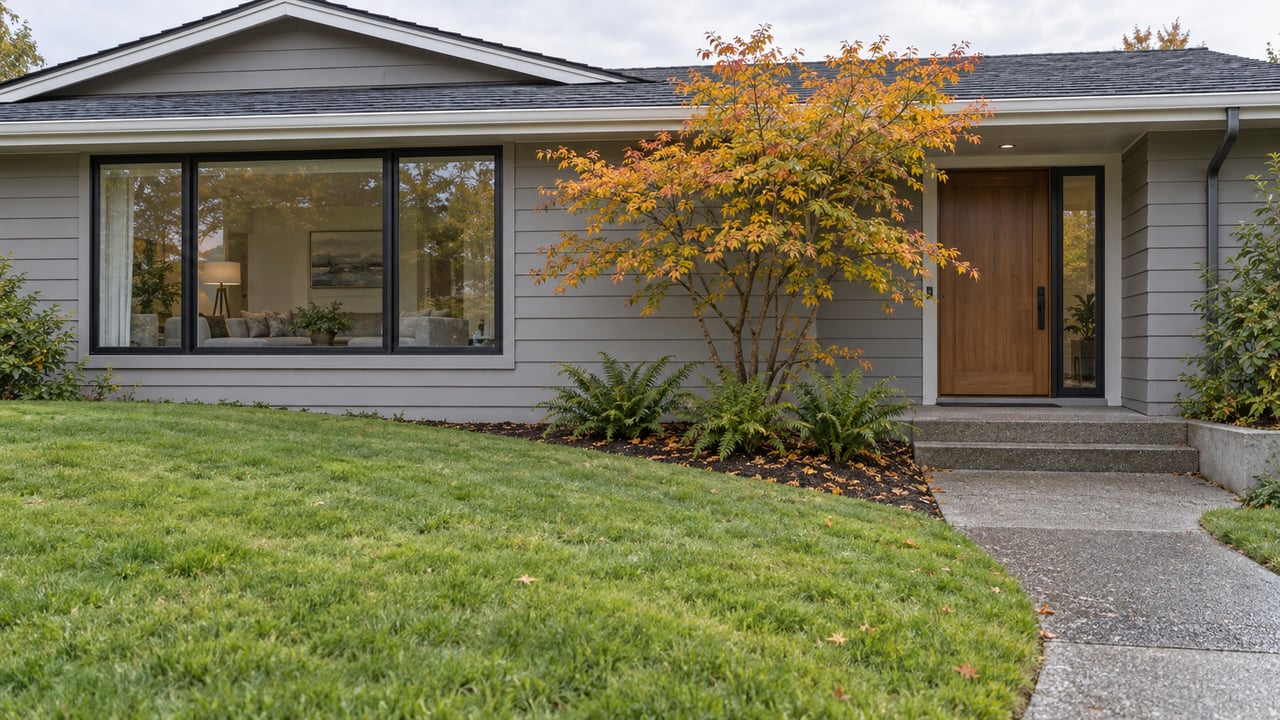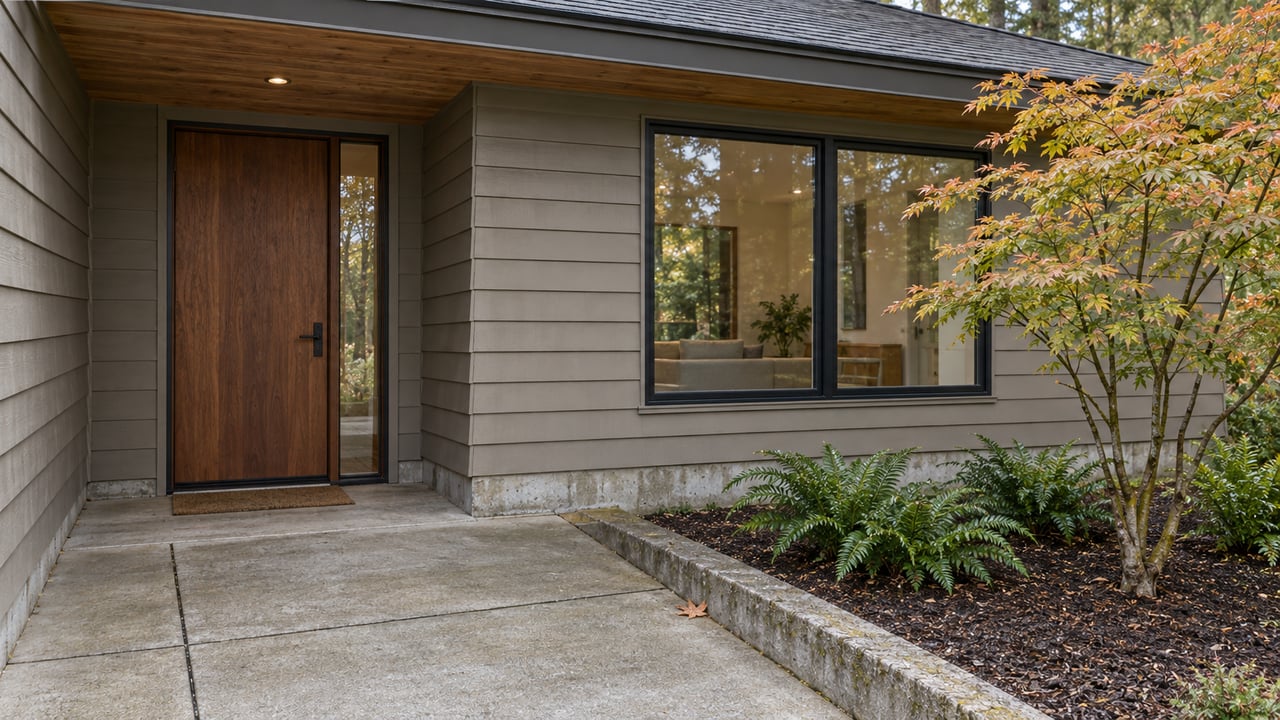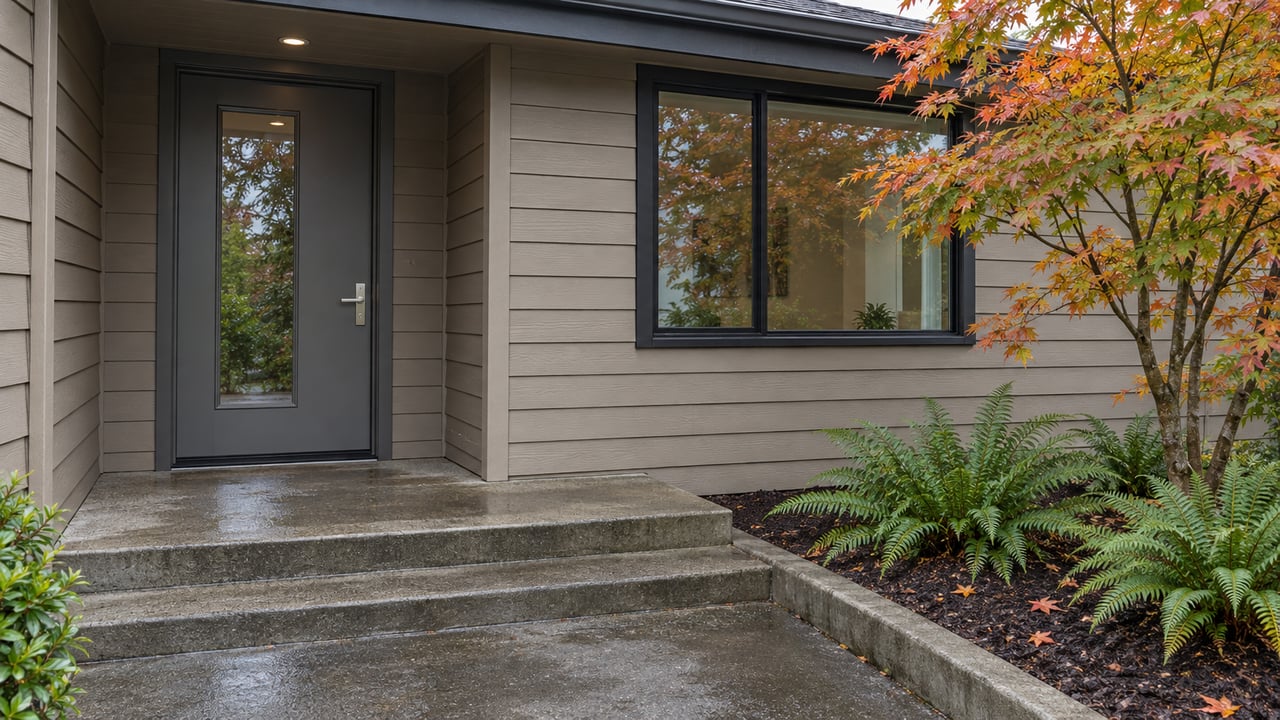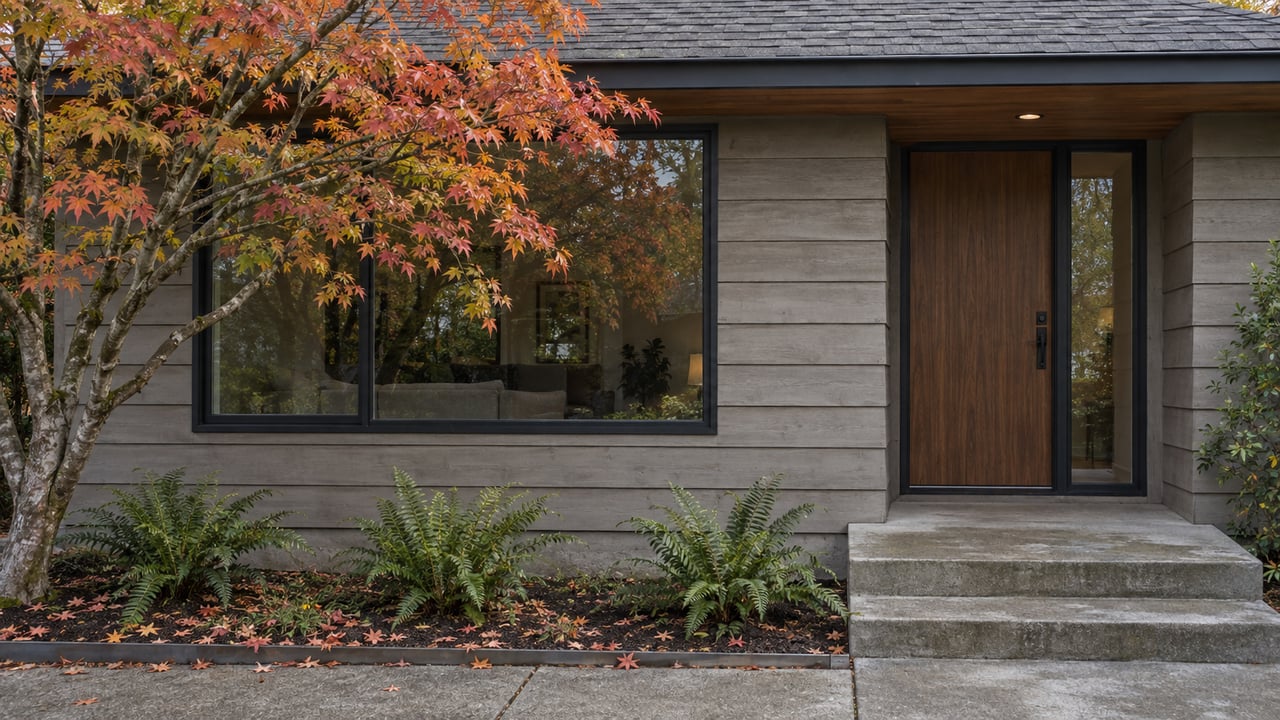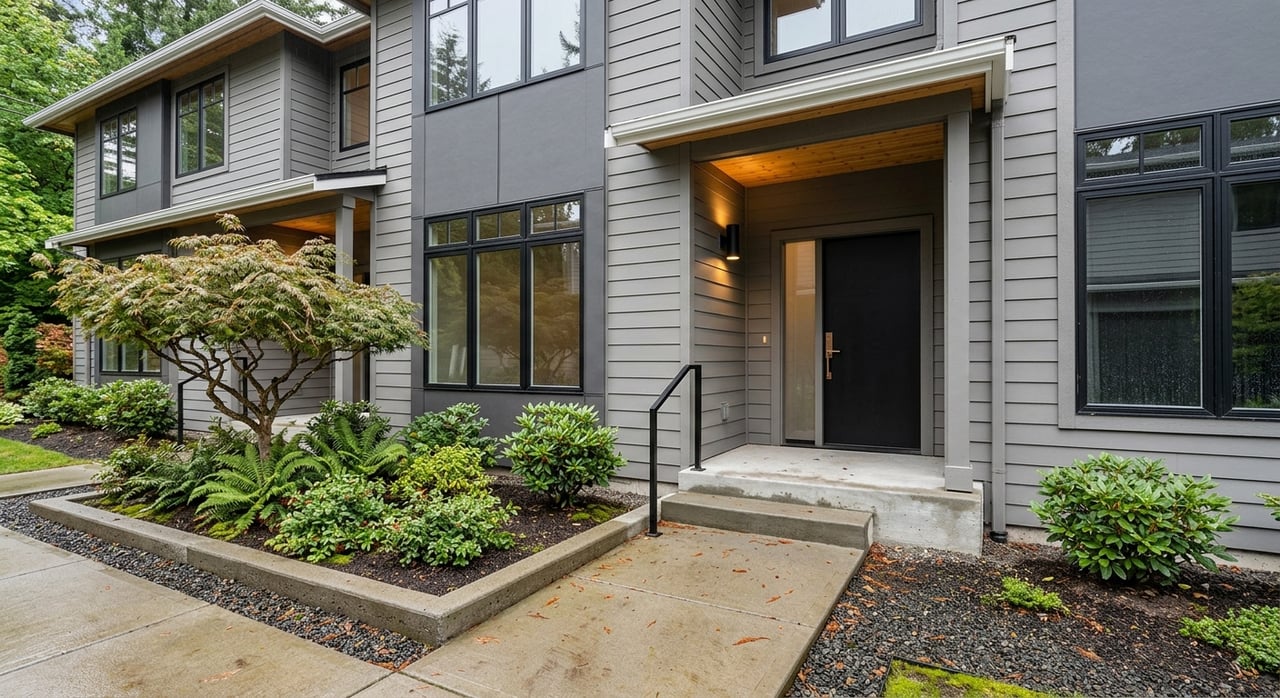
Thinking about trading a larger Mill Creek house for a townhome? You are not alone. For many homeowners in 98012, downsizing is less about giving something up and more about simplifying upkeep, protecting your budget, and staying close to the places you already enjoy. If you want a clearer picture of what changes, what costs to expect, and how to compare your options in Mill Creek, this guide will walk you through it. Let’s dive in.
Why Mill Creek works for downsizers
Mill Creek offers a setup that can appeal to homeowners who want less day-to-day maintenance without leaving a familiar community. City materials highlight Mill Creek Town Center, neighborhood parks, trails, and connected public spaces as part of the city’s long-term vision.
That matters when you move from a house to a townhome. In the right location, you may reduce direct responsibility for yard work and some exterior upkeep while still staying near shops, services, and outdoor spaces you use regularly.
Mill Creek Town Center is described by the city as a pedestrian-oriented district with more than 80 shops, restaurants, and services. The city also points to assets like the North Creek Trail and 11 city parks, which can support a more connected lifestyle if walkability and nearby recreation are part of your downsizing goals.
What really changes in a townhome
The biggest shift is not just square footage. It is how responsibility is divided between you and the homeowners association.
In a single-family home, you usually manage the roof, exterior, yard, and long-term repair planning yourself. In a townhome community, some of those responsibilities may move to the association, but the costs do not disappear. Instead, they are often shared through monthly dues and, in some cases, special assessments.
Washington law allows associations to adopt budgets, levy assessments, regulate common areas, and plan reserve funding for major repairs and replacements. So when you compare a house to a townhome, the smarter question is not whether the townhome is maintenance free. The real question is who pays for what, when, and through which system.
HOA dues are not the whole story
A lower-maintenance lifestyle can be very real in a Mill Creek townhome, but you need to look past the monthly dues number. A community with modest dues may still be underfunded if reserves are not keeping up with future repair needs.
Reserve-study rules in Washington are designed to help associations prepare for major replacement costs over time. That can reduce the chance that owners are asked to cover large surprise bills all at once, although it does not eliminate that risk.
If you are used to budgeting for home repairs on your own, think of HOA dues as part operating cost and part long-term planning tool. The quality of that planning can make a major difference in your future costs.
What to review before buying
When you buy many townhomes or condos in Washington, resale disclosure rules require a resale certificate. That certificate can disclose current assessments, delinquent and special assessments, and important governing-document details.
Those documents may also spell out rules that affect daily life and future flexibility. For example, they can cover parking, rental limitations, or approval requirements for exterior changes.
Before you commit, ask for these items and review them carefully:
- Monthly HOA dues
- Current association budget
- Latest reserve study
- Special-assessment history
- Current and pending assessments
- Parking rules
- Rental rules
- Exterior modification or approval rules
- Other governing-document details included in the resale package
This review step is especially important if you are moving from a detached house, where you may be used to making decisions more independently.
How to budget your move from house to townhome
Downsizing can free up equity, but your net proceeds and future monthly costs need a realistic review. A clean budget helps you compare whether a move truly supports your goals.
One major line item is Washington’s real estate excise tax, often called REET. The Washington Department of Revenue says the seller usually pays this tax unless a contract or exemption provides otherwise, so it should be included when estimating what you will net from the sale of your current Mill Creek home.
Another item to review is the federal home-sale gain exclusion. IRS Publication 523 says many homeowners can exclude up to $250,000 of gain from the sale of a main home, or up to $500,000 for married couples filing jointly, if the ownership and use tests are met.
Property taxes also may change more than expected. Snohomish County says assessed values are updated annually, and property-tax bills are driven by assessed value and local voter-approved levies. That means your future tax bill will depend not just on the townhome price, but also on its specific levy area and assessment.
Snohomish County also administers relief programs for qualifying seniors and disabled persons. Current exemption materials list a $75,000 disposable-income threshold for the 2024 through 2026 period.
A practical downsizing budget checklist
As you compare staying in your house versus moving to a townhome, include these categories:
- Expected sale price of your current home
- Washington REET on the sale
- Estimated moving costs
- HOA dues at the townhome
- Insurance changes
- Association document or resale-package fees
- New property-tax estimate
- Any immediate updates or repairs after move-in
Every Mill Creek community is different, so your monthly savings may not be as simple as “smaller home equals lower cost.” HOA structure, tax area, and reserve funding all affect the real math.
Walkability in Mill Creek
If your downsizing plan includes walking to coffee, errands, or open space, location inside Mill Creek matters a lot. Walkability is strongest around Town Center and certain transit corridors rather than evenly spread across the city.
The city’s design guidelines frame Town Center as pedestrian-oriented, and Community Transit’s Swift Orange Line serves Mill Creek between McCollum Park Park & Ride and Edmonds College, with shared connections to the Green Line. That makes some townhome locations more convenient than others if you want easier access to services or transit.
The takeaway is simple: do not judge walkability by zip code alone. Judge it by the exact townhome’s distance to Town Center, trail access, and transit stops.
Nearby options to compare
Some homeowners want to stay in Mill Creek. Others want to downsize and shift toward a different kind of environment. If you are still deciding, nearby communities can help clarify what “right-sized living” means for you.
Bothell for a downtown feel
Bothell’s downtown planning materials describe a more vibrant, active, walkable downtown environment. If you want a downsized home with stronger downtown energy, Bothell may be worth comparing to Mill Creek.
Lynnwood for transit focus
Lynnwood City Center is being developed as a transit-oriented commercial and residential center. If access and future transit-centered growth matter most to you, this can be a useful comparison.
Everett for a more urban option
Everett’s downtown is positioned as a denser, transit-accessible city center with arts, dining, and shopping. If your downsizing goal includes a more urban daily rhythm, Everett can offer a different model than Mill Creek.
How to know if downsizing is right now
A move from house to townhome usually makes sense when your current home no longer matches how you want to live. Maybe the yard feels like work, stairs are becoming less appealing, or too much of your budget goes toward space you rarely use.
It can also make sense if you want to unlock equity while staying in the broader Snohomish County market. The key is to compare your current costs, likely sale proceeds, and the true ownership structure of any townhome you are considering.
A thoughtful downsizing plan should balance lifestyle, monthly cost, and long-term flexibility. When you look at all three together, the next step often becomes much clearer.
If you want help comparing Mill Creek townhomes, reviewing resale documents, or building a downsizing plan around your sale proceeds and next purchase, Aimee Zhang can help you move with clarity and confidence.
FAQs
Is a Mill Creek townhome always lower maintenance than a house?
- Usually the yard and exterior workload is lower, but you still pay HOA dues and may face assessments, so you need to review the association budget and reserve study.
What documents should you review before buying a Mill Creek townhome?
- Ask for the resale certificate, monthly dues, current budget, latest reserve study, special-assessment history, parking rules, rental rules, and exterior-approval rules.
What taxes matter when you sell a house in Mill Creek, WA?
- Washington REET is a key seller cost to check, and federal home-sale gain exclusion rules may also affect your planning if you meet the ownership and use tests.
How can you tell whether a Mill Creek HOA is healthy?
- Review the budget, reserve study, and any history of special assessments to see how the association plans for major repairs and replacements over time.
Where is walkability strongest for downsizers in Mill Creek?
- Walkability is strongest around Town Center and certain transit corridors, so check the specific townhome’s access to shops, trails, and transit stops.
What nearby cities should Mill Creek downsizers compare?
- Bothell offers a more walkable downtown example, Lynnwood City Center is a transit-oriented example, and Everett offers a denser urban downtown option.