Moving for work can feel like two full-time jobs at once. You are trying to learn a new area, compare homes, manage your budget, and line everything up with a start date. If Lynnwood is on your shortlist, the good news is that you can make a smart plan before you ever pack a box. This guide will help you understand Lynnwood’s housing options, commute choices, and homebuying steps so you can relocate with more confidence. Let’s dive in.
Why Lynnwood Works for Relocating Buyers
Lynnwood offers a practical mix of location, transportation access, and evolving housing choices for buyers moving to the north side of the Seattle metro. The city sits at the intersection of I-5 and I-405, which makes it a natural option if your work may take you toward Seattle, the Eastside, or elsewhere in Snohomish County.
Lynnwood is also growing beyond the traditional idea of a bedroom community. The city’s planning and development materials describe City Center as a transit-oriented growth area with housing, parks, pedestrian improvements, and a broader live-work-play vision. For a relocating buyer, that means you are not just choosing a place to sleep between commutes. You are choosing a city that is actively building around access and convenience.
The latest Census estimates put Lynnwood’s population at 41,597 as of July 2024. The same source reports a median household income of $77,704, a 51.1% owner-occupied housing rate, a median owner-occupied home value of $686,900, median monthly owner costs of $2,644 with a mortgage, median gross rent of $1,742, and a mean commute to work of 29.9 minutes.
What Home Types You Will Likely See
One of the most important things to know before you start your search is that Lynnwood’s housing stock is not evenly balanced across all home types. According to the city’s housing needs assessment, single-family homes made up 49% of the housing stock and 84% of residential land area. Other housing included mobile homes, small plex properties, and larger multifamily buildings.
That matters because relocation buyers often want flexibility. You may be deciding between a lower-maintenance condo, a townhome with more space, or a detached house that can support a longer-term plan. In Lynnwood, some of those middle options are less common than in other suburbs.
The city’s housing assessment specifically notes that so-called missing-middle housing, such as cottage homes, duplexes, and townhomes, has been less common. It also says recent development has leaned toward either larger single-family homes or apartment projects with 100 or more units. That makes early planning especially important if you have a narrow target for price point, layout, or maintenance level.
Condos and Multifamily Options
If you want a home with less exterior upkeep and easier lock-and-leave living, condo and multifamily options may be worth a close look. Lynnwood’s City Center planning encourages more apartment and condominium development, especially near transit and major commercial areas.
This can be a strong fit if your work schedule is demanding or if you expect to rely on transit often. It may also suit buyers who are relocating first and want a simpler setup before making a longer-term move within the region.
Townhomes and Middle-Ground Choices
Townhomes can be appealing when you want more privacy and square footage than a condo, but less yard work than a detached home. In Lynnwood, these options may be more limited than some buyers expect, so it helps to define your must-haves early.
If a townhome-style layout is important to you, your search may need to stay flexible on age, location, or finish level. A focused strategy can help you move quickly when the right option appears.
Detached Homes
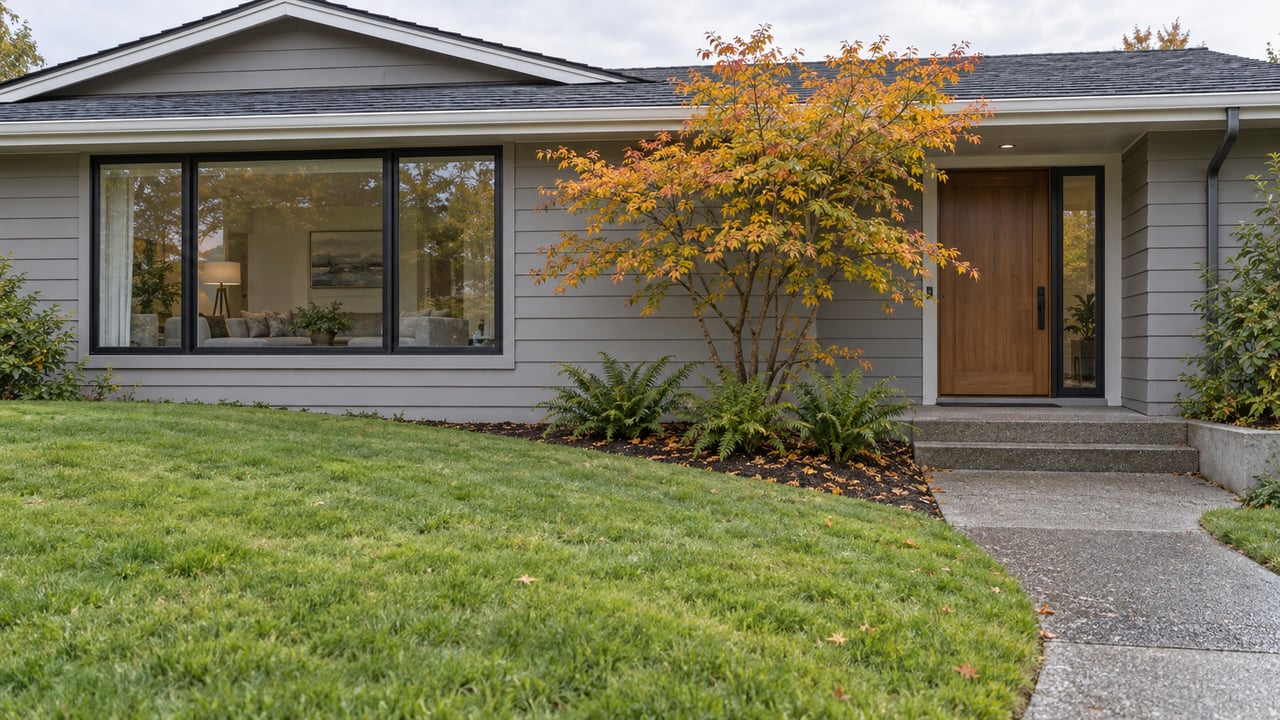
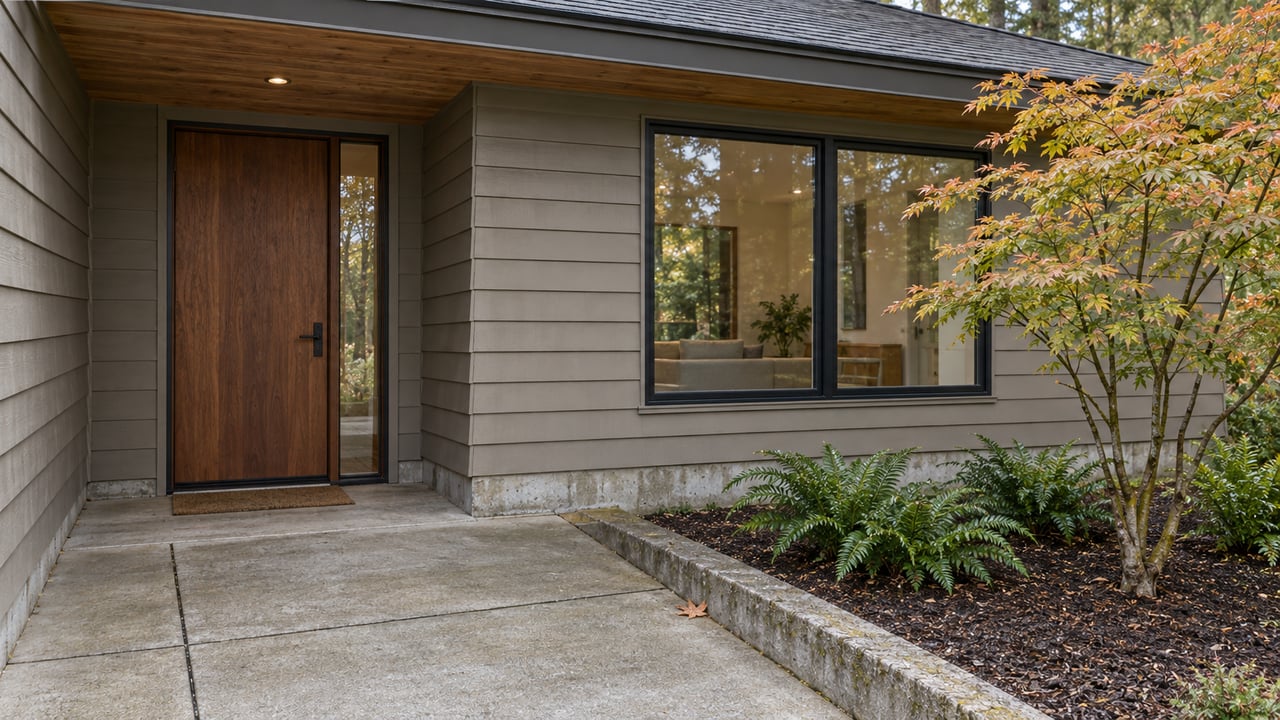
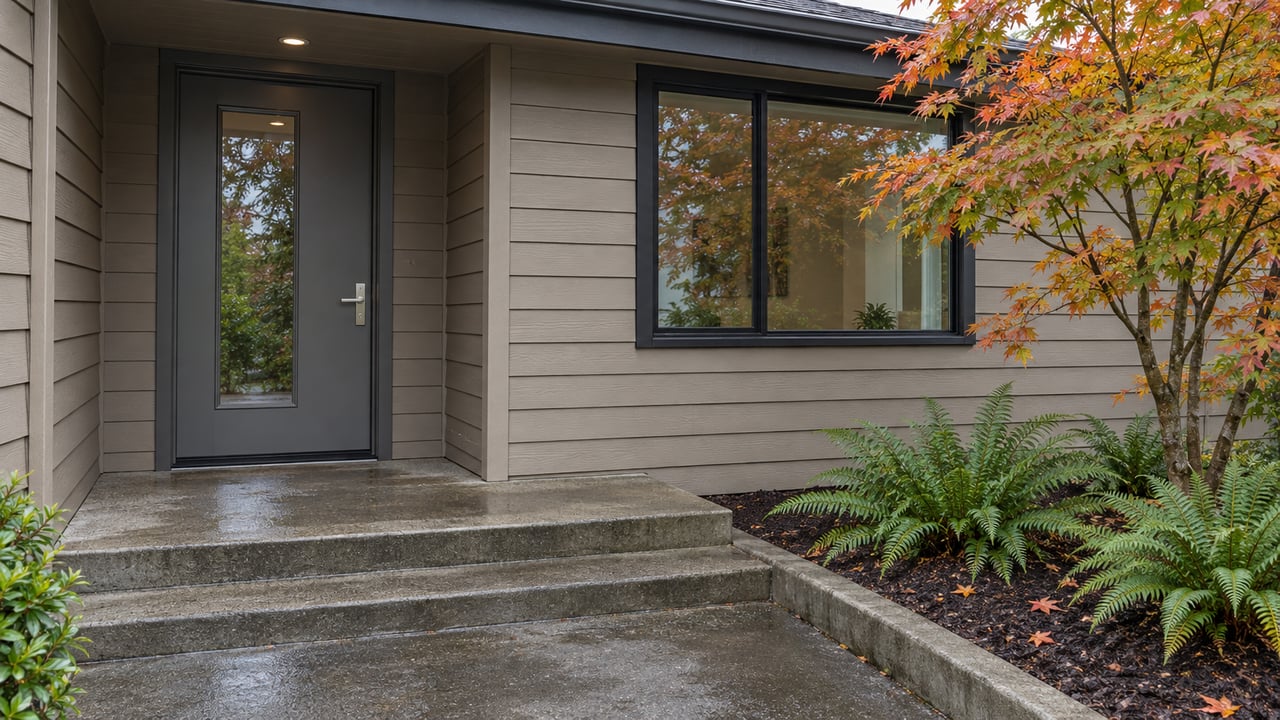
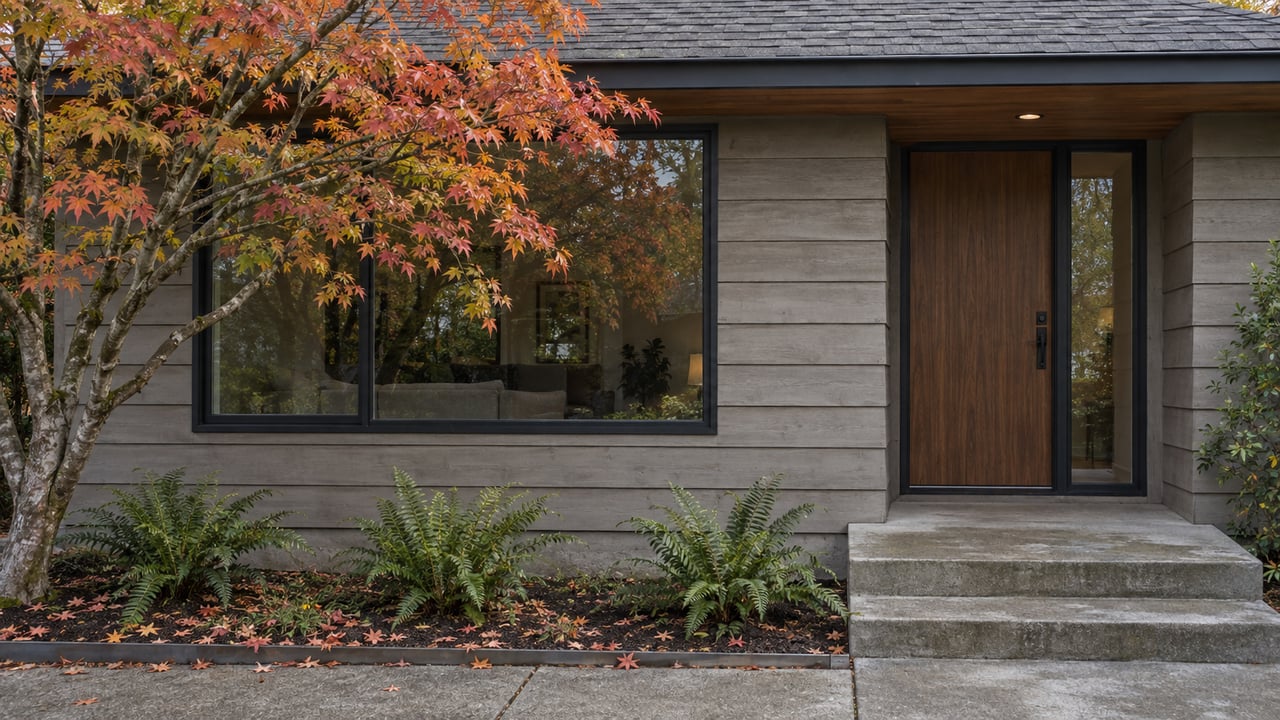
Detached homes remain a major part of Lynnwood’s housing landscape. If you want more space, parking, or a yard, this may be where much of your search time goes.
Because the market includes both older homes and larger newer homes, it is helpful to think beyond bedroom count alone. Commute pattern, lot upkeep, renovation needs, and monthly carrying costs should all be part of your comparison.
How to Plan Your Lynnwood Commute
When you relocate for work, the commute can shape your day more than almost anything else. Lynnwood gives you several ways to approach that question, which is one reason it stands out for buyers who need flexibility.
Road access is still a major factor here, especially with I-5 and I-405 nearby. If your job requires driving to different sites or keeping irregular hours, Lynnwood’s location can be helpful from a practical standpoint.
At the same time, transit is now a much bigger part of the conversation. Sound Transit opened Link service to Lynnwood on August 30, 2024, bringing light rail to Snohomish County for the first time. As of March 28, 2026, the 1 Line runs between Federal Way and Lynnwood, while the 2 Line operates between Lynnwood and Redmond.
Community Transit also identifies Lynnwood as one of Snohomish County’s largest transportation hubs. Fourteen bus routes stop at Lynnwood City Center Station, and the Swift Blue and Orange lines run every 10 to 20 minutes. The station also connects to Sound Transit buses and Link light rail.
Three Commute Styles to Consider
Before you buy, it helps to sort your work routine into one of these broad patterns:
- Rail-first: Best if your job lines up well with Link service and you want to reduce drive time.
- Bus-first: Useful if your daily route connects well through Lynnwood City Center Station and major bus lines.
- Drive-first: Often the right fit if your schedule is variable, your work location changes, or your job is not close to transit.
If possible, test your likely commute at the time of day you would actually travel. A home can look perfect on paper but feel very different once your daily routine starts.
Build Your Budget Before You Tour Homes
Relocating buyers often focus first on price, but monthly ownership cost deserves just as much attention. Census data for Lynnwood shows a median owner-occupied home value of $686,900 and median monthly owner costs of $2,644 with a mortgage.
Those numbers are useful benchmarks, not guarantees of what you will pay. Your actual monthly cost will depend on your loan terms, down payment, insurance, taxes, and the specific home you choose. If you are comparing Lynnwood to nearby areas, start by asking what payment range feels sustainable once your full work and life routine is in place.
It is also smart to compare renting and buying through the lens of your timeline. With median gross rent reported at $1,742, some relocating professionals may consider renting first while they learn the area. Others may prefer to buy right away if they expect to stay longer and want to start building equity.
Get Mortgage-Ready Early
When you are moving from out of town, speed and organization matter. One of the best ways to reduce stress is to prepare your financing file before you get deep into home shopping.
The CFPB says you should start by requesting Loan Estimates from three or more lenders. To receive a Loan Estimate, you provide six pieces of information: your name, income, Social Security number, property address, estimated home value, and loan amount. At that early stage, documents are not required.
Once you decide to proceed with a lender, you should expect follow-up requests to verify what you submitted. Fannie Mae’s mortgage document checklist gives a useful picture of what many buyers may need to gather.
Your Relocation Document Checklist
Prepare these items as early as possible:
- Recent pay stubs
- W-2s
- Tax returns
- Bank statements
- Investment statements
- Photo ID
- Proof of rent, if needed
- Employer history for the last two years
- Address history for the last two years
- Gift letter, if part of your down payment
- Social Security card, ITIN, or similar documents
- Ratified purchase contract once you are under contract
Some lenders may also use digital tools to verify bank assets, income, and employment. Even so, it is wise to keep your records organized and easy to send.
Tips for Out-of-State and International Buyers
Lynnwood can be especially relevant for relocation buyers because its population includes many residents from outside the U.S. Census data reports that 29.2% of residents are foreign-born and 37.5% speak a language other than English at home. For many buyers, clear communication and a well-organized process are not just nice extras. They are essential.
If you are moving from another state, protect your credit and avoid major financial changes while preparing to buy. The CFPB notes that credit history affects whether a lender will offer a loan and what interest rate it may charge.
If you do not have a Social Security number or have limited U.S. credit history, some lenders offer ITIN mortgage programs. The CFPB says requirements can vary and may include a higher down payment and a higher interest rate than standard loans. That makes early lender shopping especially important.
Aimee Zhang also offers bilingual Mandarin service, which can be valuable if you want clearer communication while navigating a cross-border or multilingual move. For many relocation buyers, that added clarity can make financing, scheduling, and decision-making feel more manageable.
Know the Closing Timeline
The final stretch of a home purchase can move quickly, especially when you are coordinating a job move at the same time. Understanding the basic sequence can help you avoid last-minute surprises.
According to the CFPB, buyers should expect additional document requests, a home inspection, and shopping for homeowner’s and title insurance. Fannie Mae also notes that you should complete a final walk-through on or soon before the close date, avoid opening new credit cards or making large purchases before closing, and review the closing disclosure at least three business days before closing.
Closing-day paperwork can take a few hours. If you are relocating across time zones or trying to align your move-in date with your work start date, build in some breathing room.
In Snohomish County, the Recording Division records deeds, mortgages, contracts, liens, and other real property documents. After closing, property tax statements go to the taxpayer of record, with first-half taxes due April 30 and second-half taxes due October 31.
A Simple Lynnwood Relocation Plan
If you want to keep your move organized, follow a planning-first approach:
- Define your work commute style: rail-first, bus-first, or drive-first.
- Set a monthly housing budget before you fall in love with a listing.
- Decide which home type fits your lifestyle best.
- Request Loan Estimates from at least three lenders.
- Gather your income, asset, and ID documents early.
- Tour homes with commute reality in mind.
- Leave room in your timeline for inspection, insurance, and closing steps.
This kind of structure can help you make decisions with less pressure. It also gives you a better chance of matching the right home with the way you will actually live and work in Lynnwood.
If you are planning a move to Lynnwood for work, the right strategy is not just about finding a house fast. It is about choosing a home that supports your commute, your budget, and your next stage of life. When you want practical guidance, clear communication, and local insight across the greater Puget Sound market, connect with Aimee Zhang.
FAQs
What makes Lynnwood a practical choice for work relocation?
- Lynnwood offers access to I-5 and I-405, growing transit connections, and a developing City Center area with housing and commercial growth.
What home types are most common for Lynnwood buyers?
- Single-family homes make up a large share of Lynnwood’s housing stock, while townhomes and other missing-middle options may be less common.
What transit options do Lynnwood commuters have?
- Buyers can use Link light rail, multiple Community Transit bus routes, Swift service, Sound Transit bus connections, or drive depending on work location.
What documents should Lynnwood relocation buyers gather early?
- Common items include pay stubs, W-2s, tax returns, bank and investment statements, photo ID, address and employer history, and Social Security or ITIN-related documents.
What should out-of-state buyers know before closing on a Lynnwood home?
- You should expect inspection, insurance, final document review, a final walk-through, and county recording steps, while avoiding major credit or purchase changes before closing.
What should international buyers know about Lynnwood home financing?
- Some lenders offer ITIN mortgage programs, but requirements vary, so early lender comparison is especially important for buyers with limited U.S. credit history.